
How can humans flourish best in the age of AI?

Chanel Monteine
Trained diplomat. Certified Logotherapist. Superconnector.
I spent ten years across the table from the world's top 1%. Leaders. Founders. Decision-makers. One question kept returning: how do you make a dream a reality?
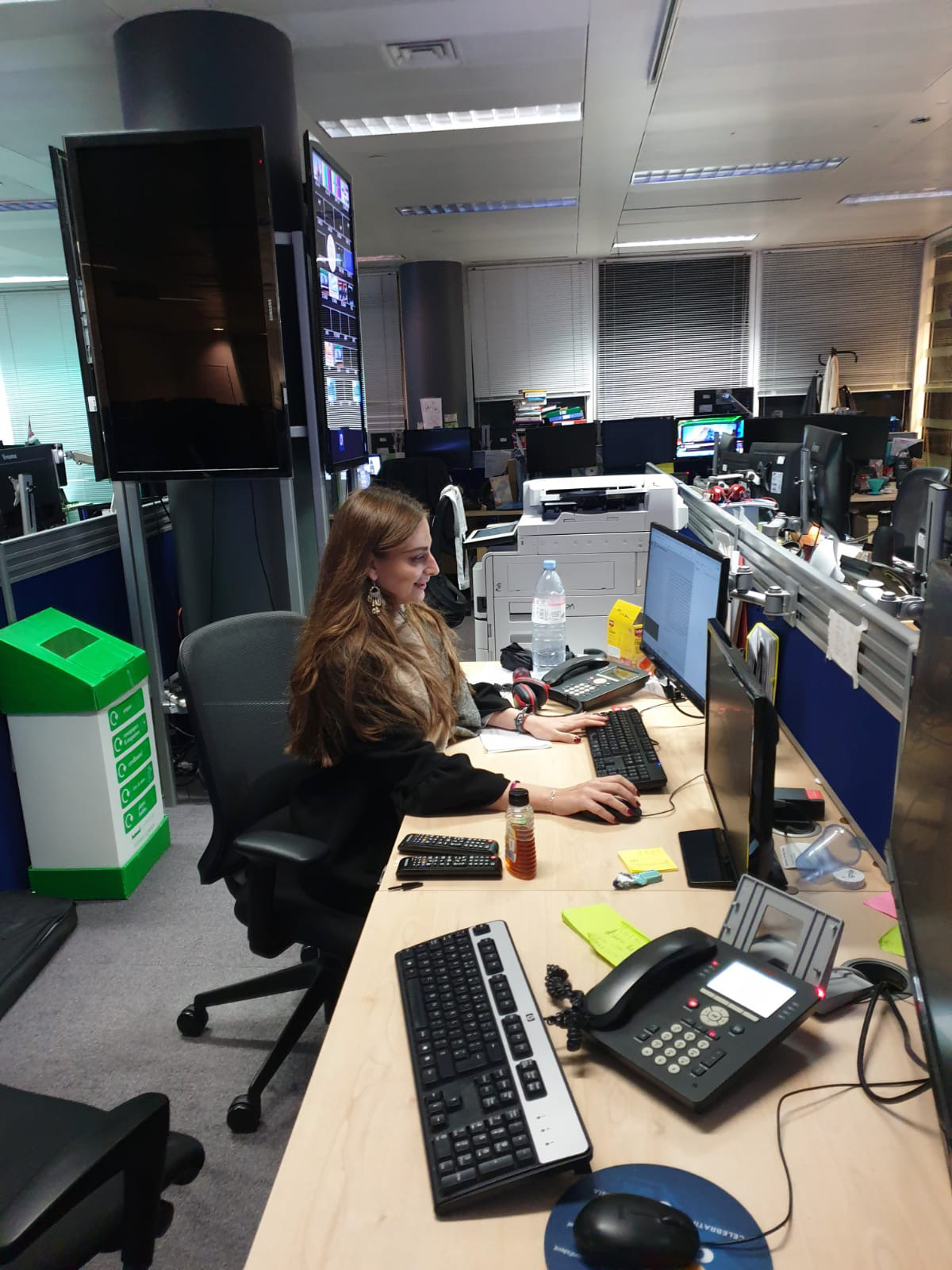
A decade spent inside media, technology and entrepreneurship.








She started her career interviewing the people building the future.

She spent years inside international business media observing the people operating at the highest levels. Gradually, the thing she became most interested in wasn't simply: what did they build?
How do people become capable of building extraordinary things?
Eventually, she stopped interviewing founders and became one.
After winning an entrepreneurial grant prize at the London School of Economics, she raised six figures from VCs and private investors, built out a team, and launched the product.
But what actually happened is that every abstraction she’d spent years reporting on turned real. From every risk, to every difficult decision, and every payroll.
Uncertainty stopped being a quote in someone else’s interview and became instead the life she woke up to, every day.
She had studied ambition for years, and now she was living it with all the ups and downs. And barely had any idea of what was to come.
The most important chapter is the one that never makes the highlight reel.
I built something real: an AI company with the highest disruptive potential, capital raised, a team, and a solid product. Then, overnight, ChatGPT was released, a week after we launched.
But then, two years of work were made irrelevant in seconds. Not by a competitor I could outwork, but by the mere speed of technology itself. The whole landscape was shifting.
I was devastated. There's a silence after a plan collapses that nobody warns you about, and in mine, the question I woke up with changed. It was no longer how I could become more successful.
What does success truly mean now?
So I rebuilt.
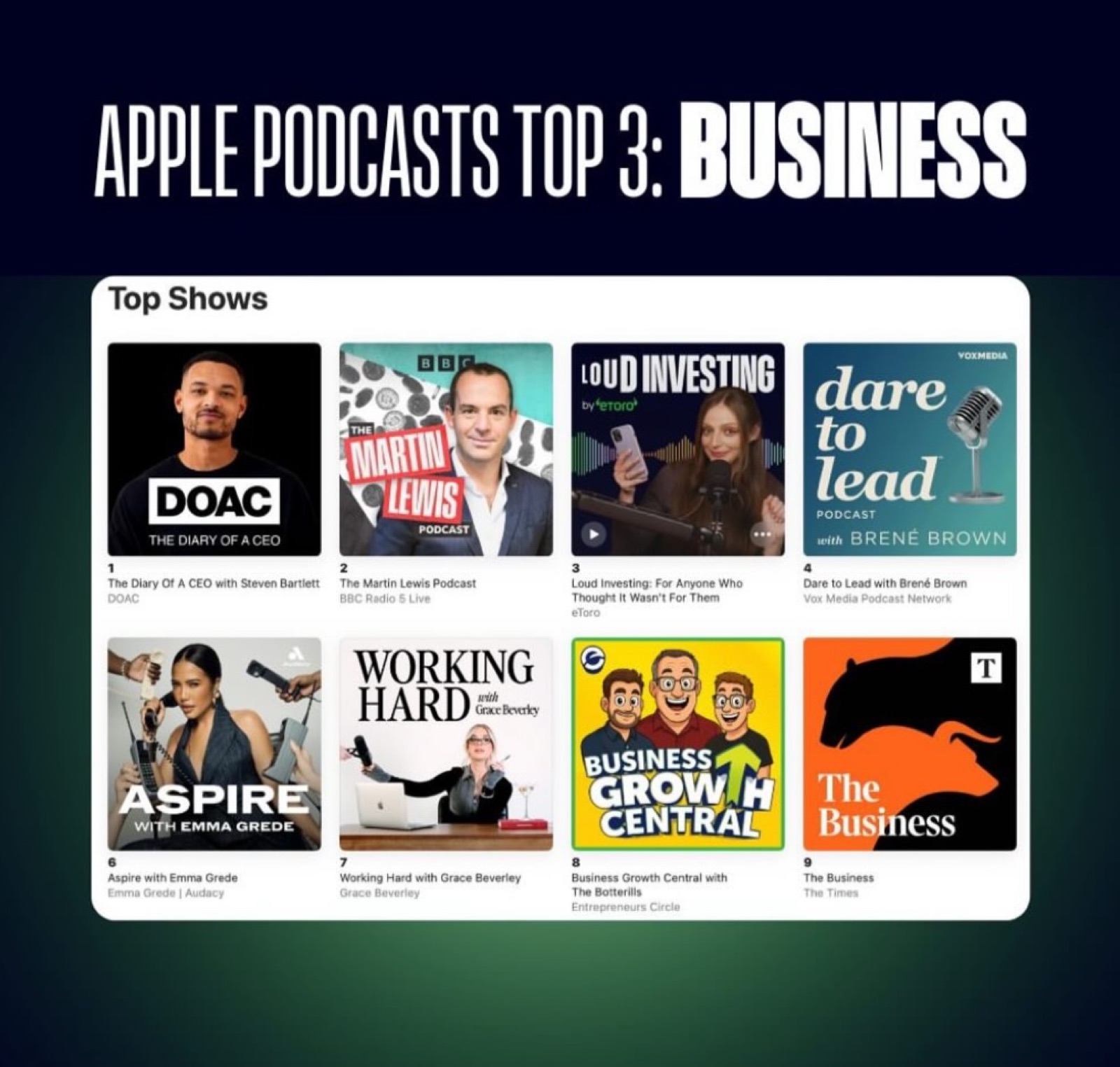
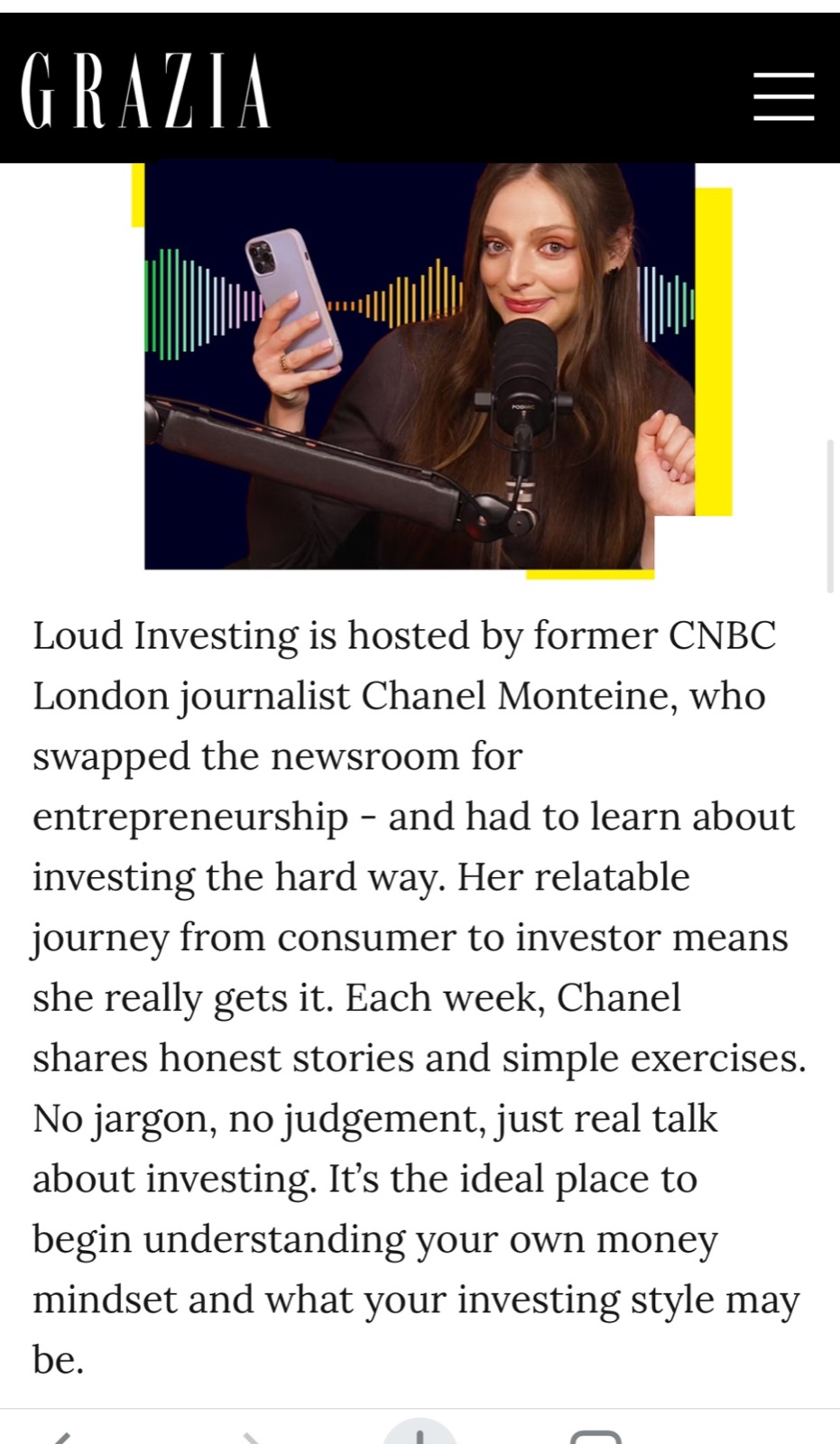
A new product vision. New skills. TechCrunch selected the venture as the most disruptive of the year. A marketing firm printing six figures. And a podcast on investing that climbed the UK charts, just behind Diary of a CEO.
From the outside, a comeback. I was living my dream. And still, something was missing. That’s when I finally understood my why.
My mission: to empower people everywhere to fulfil their top potential and build the life of their dreams in the age of AI.
Success is changing paths.
For a century, extraordinary outcomes belonged to the people with the most: most capital, most credentials, most access. AI is breaking that monopoly.
Which means the scarce thing is now to be that human who knows who they are, what matters to them, what they're capable of, and what they're willing to do about it.
The answer of how, arrived through Viktor Frankl.
I trained in Logotherapy, Frankl’s meaning-centred school of psychotherapy. Its idea is simple yet profound: we are not driven only by pleasure, status or achievement, but by meaning. Something worth moving toward. Someone worth becoming.
It finally explained what I’d been hearing for years, off the record, from people at the very top: achievement without meaning is not success.
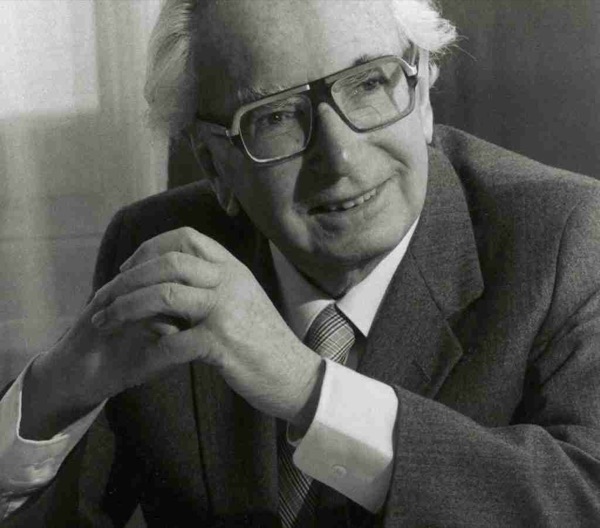
“When we are no longer able to change a situation, we are challenged to change ourselves.”
Viktor E. Frankl
And now, as AI rewrites work and worth itself, Frankl’s question stops being philosophy and becomes strategy:
What is uniquely ours to do?
The rules are shifting. The dream doesn't have to wait. I'm building the media, education and technology that turn the life you imagine into the life you live.
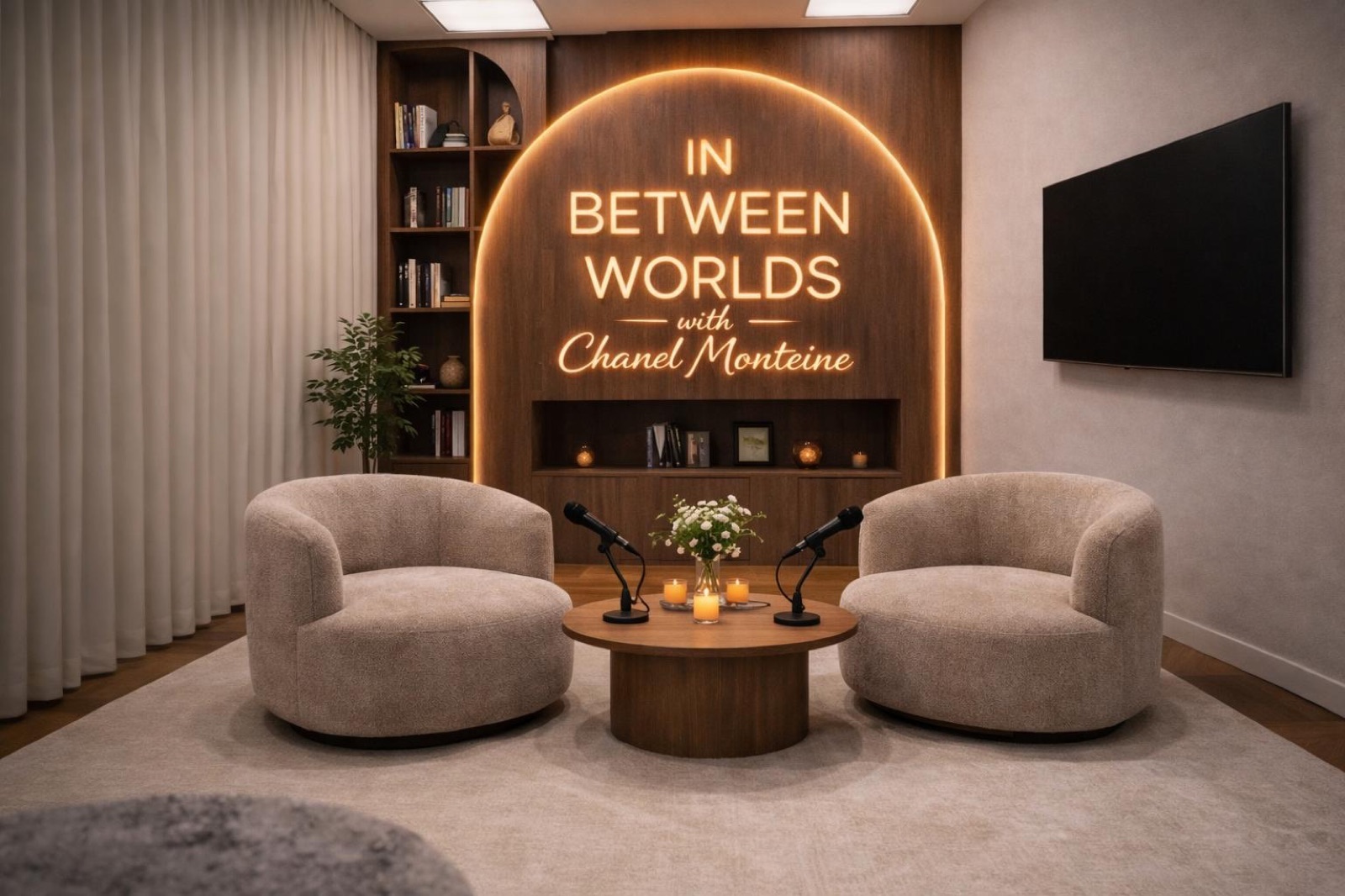
In Between Worlds
Conversations with extraordinary people about how they built their life and achieved great things.
Not the success stories. The decisions. The doubts. The turning points. The inner world behind the outer achievement. Long-form conversations with founders, artists, athletes, scientists and quiet geniuses; some you'll recognise, others you won't, yet.
Across business, AI, culture, creativity, influence and life. And always, near the end, the question their industry is afraid of: what happens to your world next?
Enter In Between Worlds →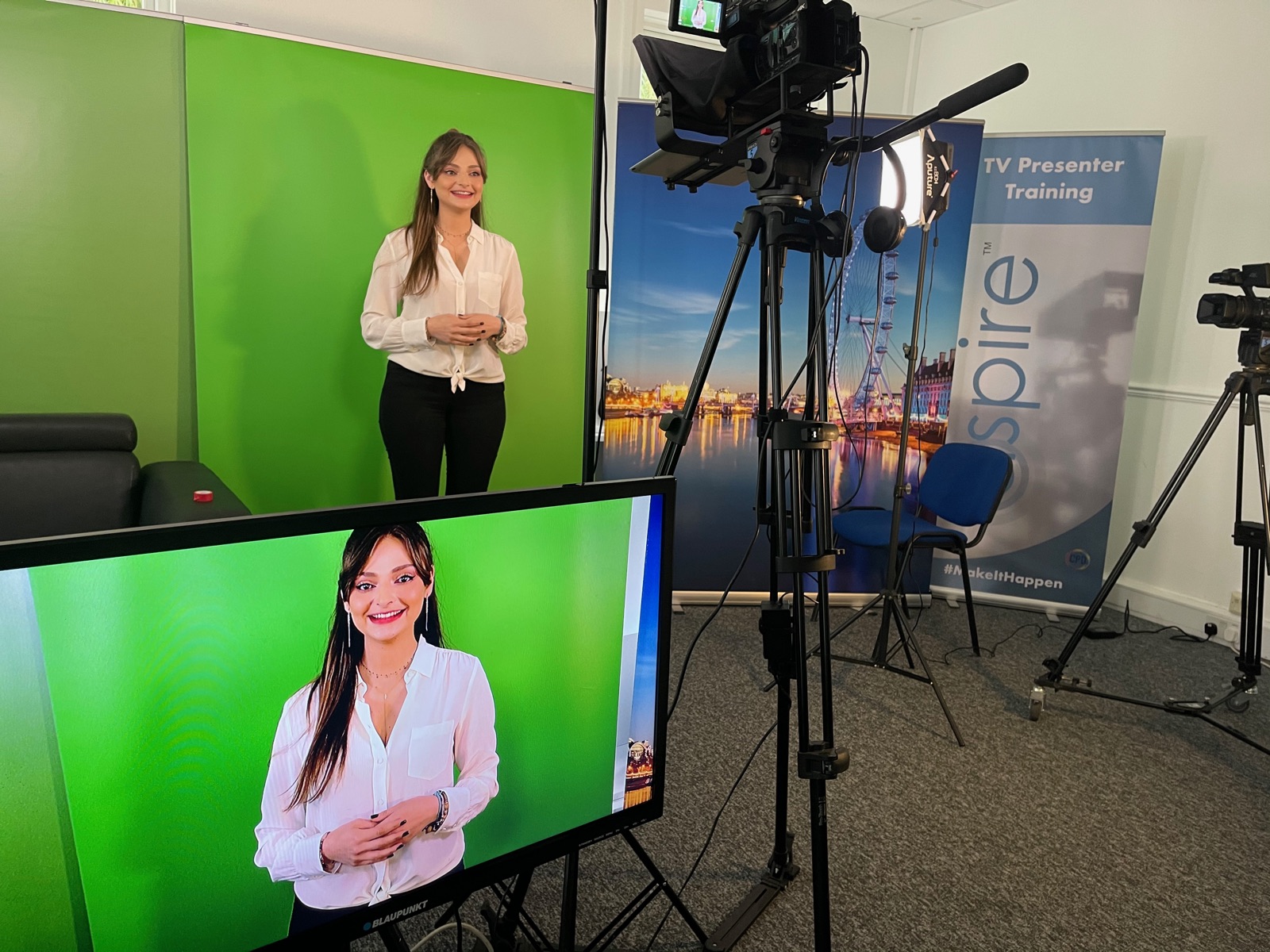
The Success in the Age of AI Academy
Because inspiration is useless if nothing changes afterwards.
The Academy is the action layer. Programmes that take the idea you've been circling for years and turn it into something with a name, a shape and a first customer: psychology, entrepreneurship and AI working as one accelerator.
Stop consuming your potential. Start making things happen.
Join the Academy →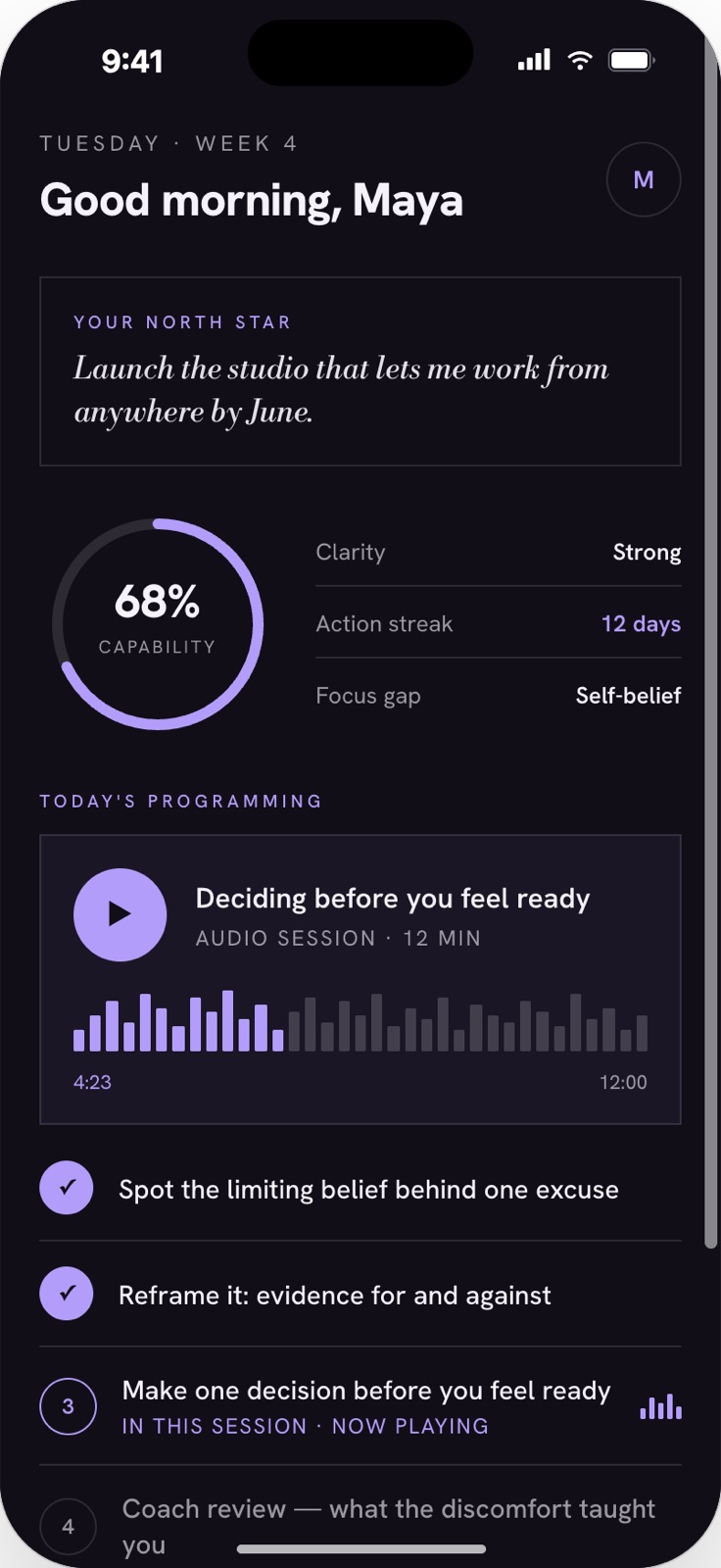
Glide
Become the person capable of building the life you want.
An AI-powered personal growth coach that assesses your strengths, gaps and goals, then creates personalised micro-learning paths to build the skills, knowledge and capacity you need to succeed.
Learn more →One subject, six lenses.
I've lived and worked across London, Paris, Monaco, Dubai, Hong Kong, and the Middle East. I move between six languages and eight deeply studied specialities. For years I treated the range like a confession: pick a lane, they said. But it turned out I was never off-track. I was in training, for one subject: how humans achieve, adapt and change in an age of AI.

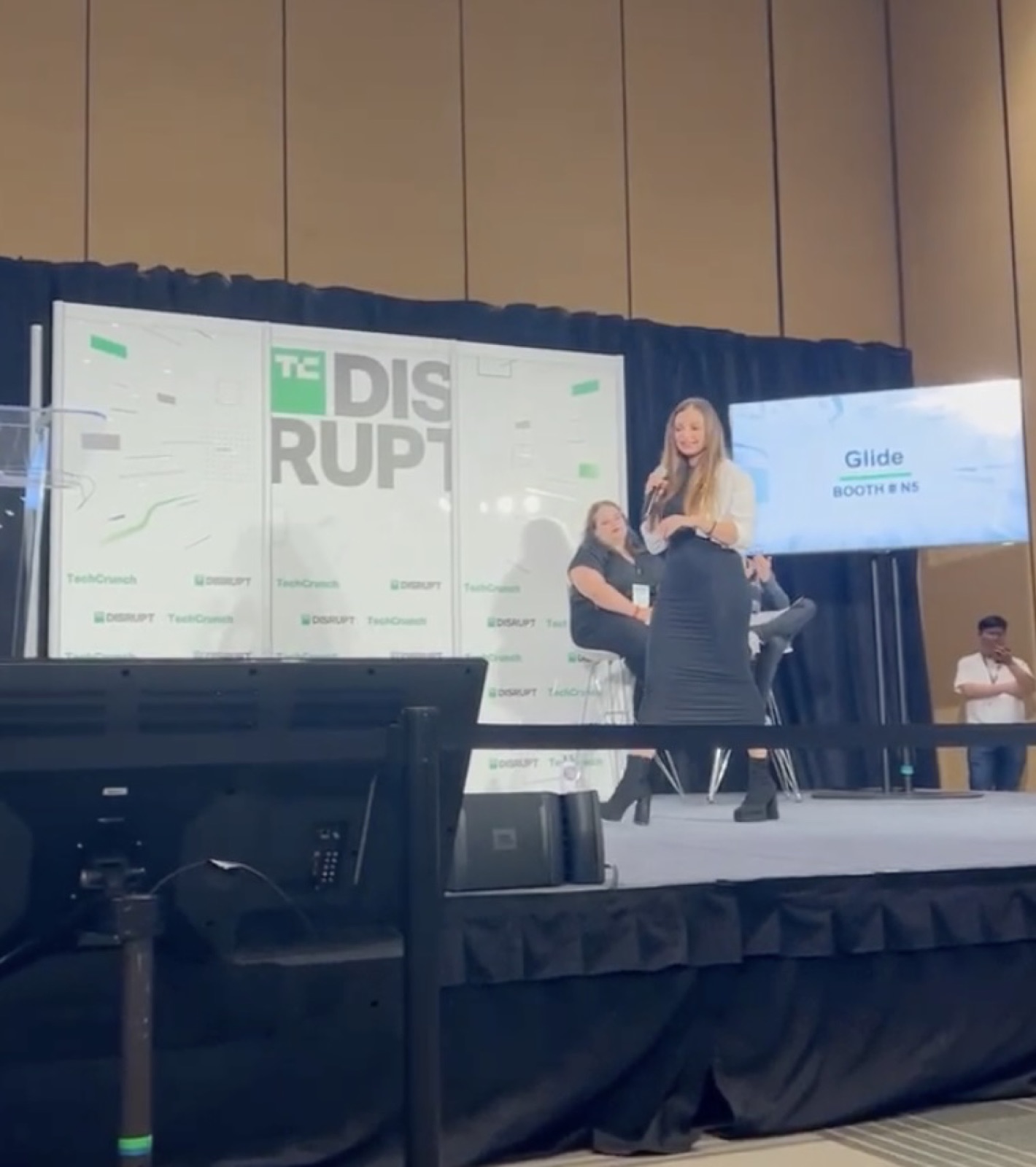
Speaking on stages around the world.
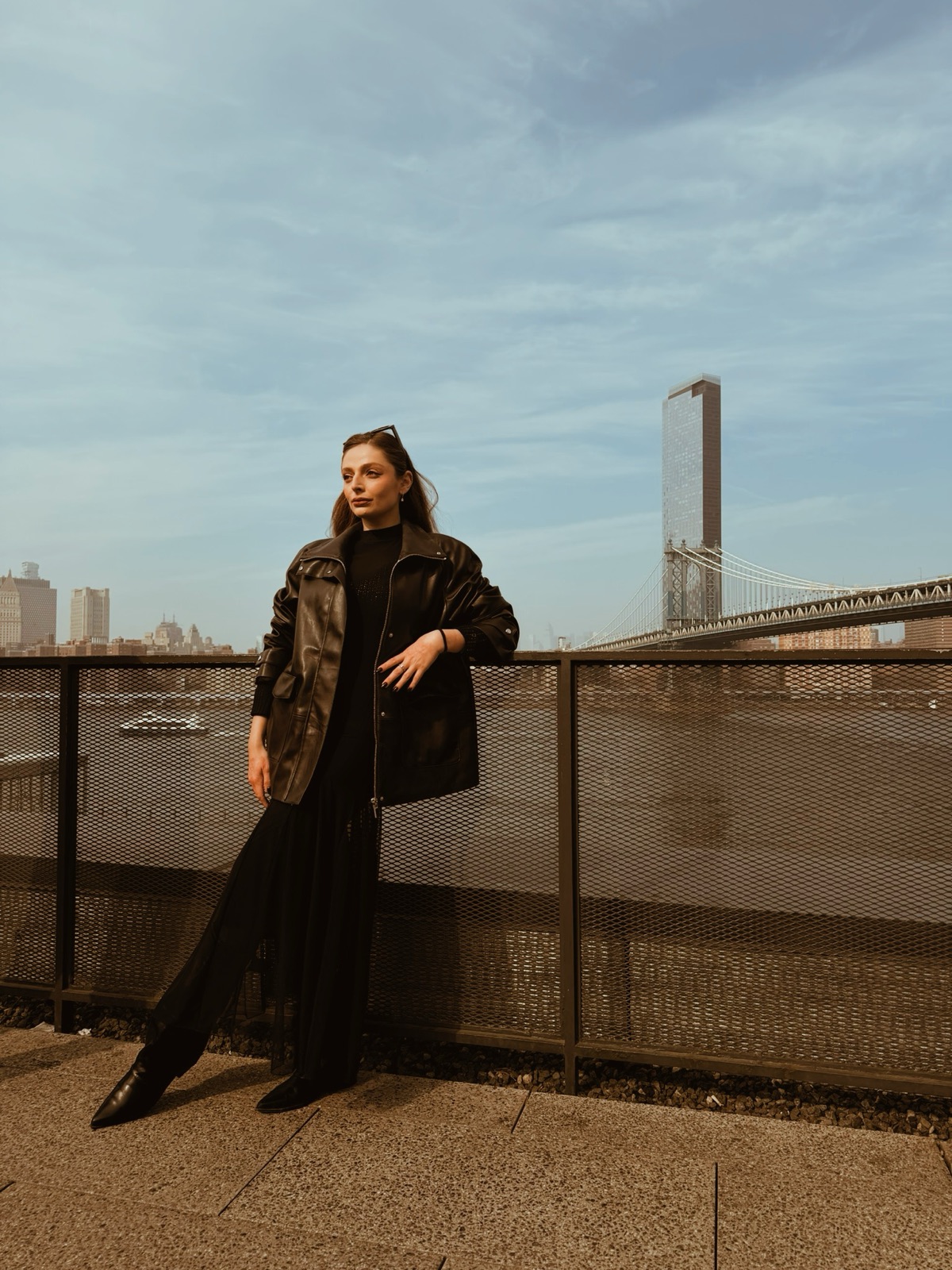


Also: future trends, visibility, personal brand strategy, influence and brand partnerships.
We are holding more leverage than any generation in history.
The only question left is what you'll aim it at.
This is what I'm building now. Welcome to In Between Worlds.